A Year of Stories, Service and Stewardship: Tavistock Guildhall Heritage Centre in 2025 – Looking Ahead to 2026
2025 has been a defining year for Tavistock Guildhall Heritage Centre. Across twelve months, the building once again proved itself not merely as a custodian of the past, but as a living, working centre for learning, debate and community connection. From packed lecture evenings and family discovery sessions to quiet weekday school visits and behind-the-scenes guided tours, the Guildhall has been a place where history was not only displayed but actively experienced.
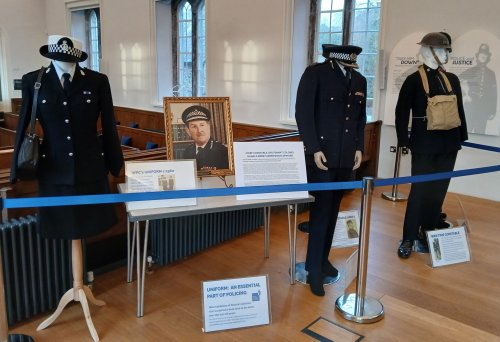
The year opened with a strong statement of purpose through the exhibition UNIFORM – An Essential Part of the Job, delivered in partnership with the Museum of Policing in Devon and Cornwall. It set the tone for a programme that consistently combined local relevance with wider national themes. That blend continued through a robust calendar of talks led by familiar and much-valued contributors such as Simon Dell, whose presentations ranged from Three Murders and a Suicide in January to Dartmoor Sett Makers Bankers in December, charting crime, social change, religion, industry and landscape with equal authority.
Spring brought intellectual depth and public engagement in equal measure. The Crime & Punishment Month in April was a particular highlight, drawing together academic expertise, historical storytelling and lived experience. Dave Moore’s forensic insight, Paul Finegan’s poignant reflections on Dartmoor Prison, and Simon Dell’s exploration of the murder of PC Potter collectively demonstrated how the Guildhall can host serious subject matter with sensitivity and accessibility. At the same time, Discovery Team sessions ensured that younger audiences and families were not only welcome but central to the Centre’s mission, from creative VE Day anniversary workshops to imaginative activities that made history tactile and memorable.
Summer expanded both the scope and scale of engagement. Talks on Ten Tors, the Quakers, Lundy Island and Cornish rebellions offered intellectual variety, while the Heritage Fair brought the wider community directly into the building. August was particularly strong for family programming, with a succession of Discovery Team sessions that transformed themes such as mining, invention and law enforcement into hands-on experiences. The Devon and Cornwall Museum of Policing’s pop-up exhibition Policing the Blitz and World War II further reinforced the Guildhall’s growing reputation as a trusted partner for touring and collaborative exhibitions.
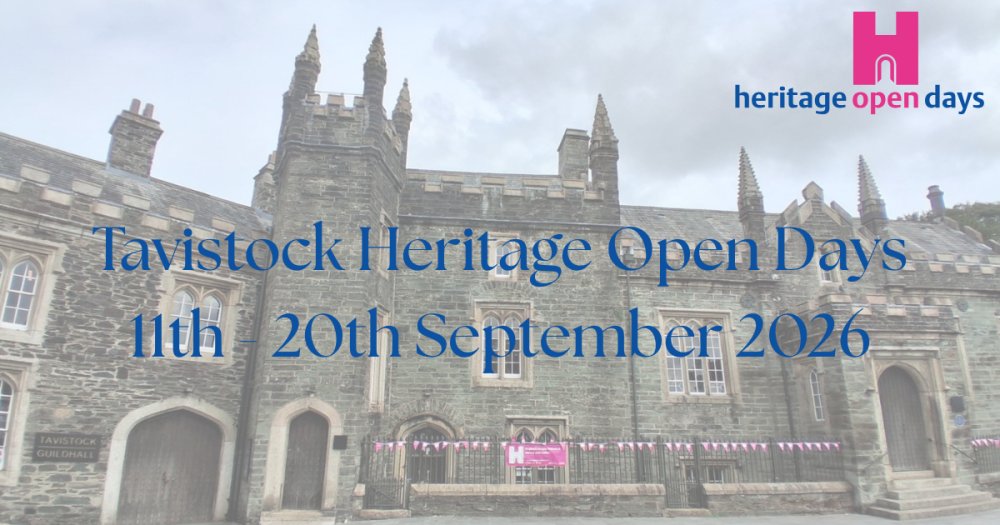
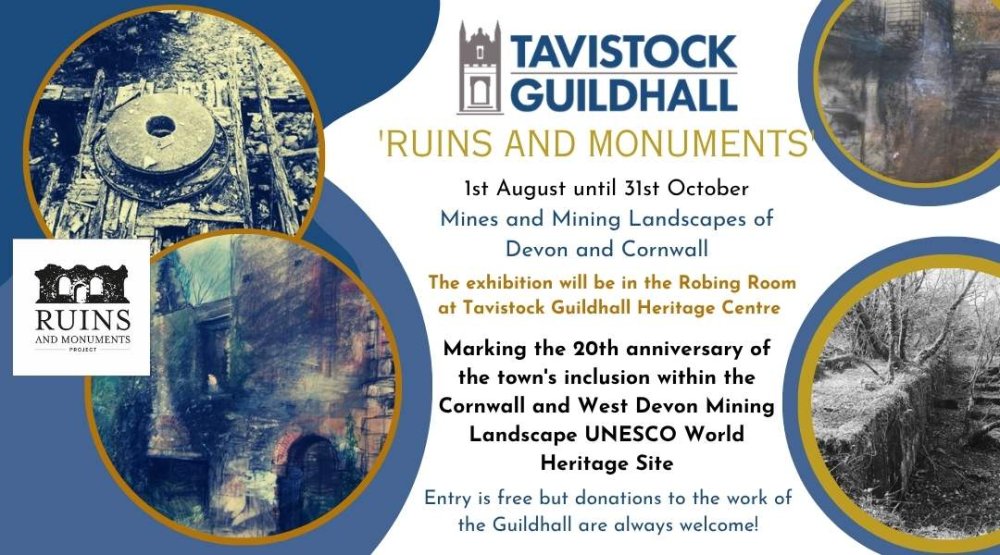
September marked a high point in the year’s calendar. Mining Heritage Month not only honoured the industrial legacy of the Tamar Valley but did so through a layered programme of exhibitions and talks that brought academic research, local memory and community pride together. The Ruin River exhibition, alongside lectures on the Tavistock Canal and the miners of the Tamar Valley, demonstrated how regional history can be both scholarly and deeply personal. This was complemented by a vibrant Heritage Open Days programme, which opened the doors wide to new audiences through architectural tours, medieval dance, creative workshops and talks that re-imagined Tavistock’s monastic past.
The autumn season reinforced the Guildhall’s ability to innovate. The Cheeky Reaper Murder Mystery courtroom drama transformed the space into a theatrical arena, reminding audiences that heritage venues can also be places of performance and participation. Talks on policing across the peninsula, Devon murders and seasonal Discovery Team activities ensured that momentum was not lost as the year drew to a close.
Yet the true measure of 2025 cannot be found in the public programme alone. Behind the scenes, the Guildhall Heritage Centre has continued to function as a collaborative hub within Tavistock’s Heritage Quarter. Private guided tours brought visitors deeper into the stories of the building. School visits embedded local history into the curriculum for a new generation. Regular meetings with neighbours and partners — Tavistock Heritage Trust, Tavistock Museum, the Police Museum and the Subscription Library — strengthened a network that understands heritage not as isolated institutions, but as a shared civic responsibility. These relationships, built quietly and consistently, are the foundation upon which every successful public event rests.
Looking ahead to 2026, there is a strong sense of confidence and opportunity. The challenge will not be to repeat what worked in 2025, but to build on it. The coming year offers scope to deepen partnerships further, expand educational outreach, and continue balancing rigorous historical content with inclusive, creative engagement. There is clear appetite for more themed months, more interactive programming, and more moments where the Guildhall steps beyond the traditional boundaries of exhibition and lecture.
If 2025 demonstrated anything, it is that Tavistock Guildhall Heritage Centre thrives when it acts as both anchor and catalyst: rooted in the town’s past, yet constantly encouraging new ways of encountering it. As we start 2026, the Centre stands well placed to extend that role — strengthening its place at the heart of Tavistock’s cultural life, and ensuring that heritage here remains something that is not simply preserved, but actively lived.



 Saturday 1st August 2026